DRC, Rwanda to hold first summit under new Regional Economic Integration Framework
The DRC and Rwanda are launching a US-backed Regional Economic Integration Framework to secure mineral supply chains, deepen cross-border trade, and support long-term peace across the Great Lakes region.
Leaders from the Democratic Republic of the Congo (DRC) and Rwanda are preparing to hold the first summit of their new Regional Economic Integration Framework (REIF), a bold initiative aimed at turning peace into measurable economic growth across the Great Lakes region.
The framework will guide collaboration in mining, tourism, energy, public health, and infrastructure, providing a platform for both countries to jointly develop key sectors.
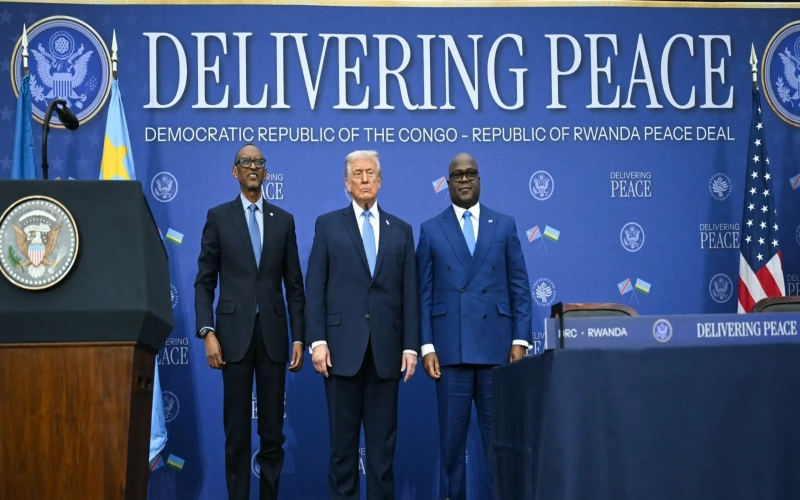
The REIF, unveiled in June, stems from a wider peace agreement signed in Washington, D.C., on Thursday, marking a historic moment for a region long plagued by armed conflict and the illicit trade of minerals.
The framework seeks to strengthen cross-border cooperation through joint planning, technical teams, and shared projects that will benefit communities on both sides of the border.
The United States has pledged its support, offering investment, technical assistance, and private-sector engagement.
A State Department fact sheet emphasised that the initiative aims to “unlock the incredible economic potential of the Great Lakes region made possible by peace” while opening opportunities for US companies to responsibly participate in strategic mineral supply chains.
As part of the agreement, the DRC and Rwanda plan to secure mineral supply chains by improving traceability, reducing smuggling, and reforming artisanal mining practices.
The broader goal is to transform the mining sector from a source of conflict into a driver of stability and shared prosperity. The US described the initiative as a pathway to “secure, reliable global critical mineral supply chains” while promoting responsible sourcing of strategic minerals by American firms.
The first REIF Summit will bring together technical teams tasked with designing and implementing cross-border initiatives.
Key focus areas include mining value chains, regional infrastructure projects, tourism in protected ecosystems, and coordinated public health programs.
The summit will also ensure that REIF activities complement the peace agreement, strengthening long-term regional stability.
At the signing ceremony, President Donald Trump highlighted the economic potential of the deal, announcing new bilateral partnerships with both countries in the mineral sector.
“We’re sending some of our biggest and greatest companies over to the two countries… we’re going to take out some of the rare earth and other assets and pay - and everybody’s going to make a lot of money,” he said, framing the agreements as part of a broader strategy to secure US access to critical minerals.
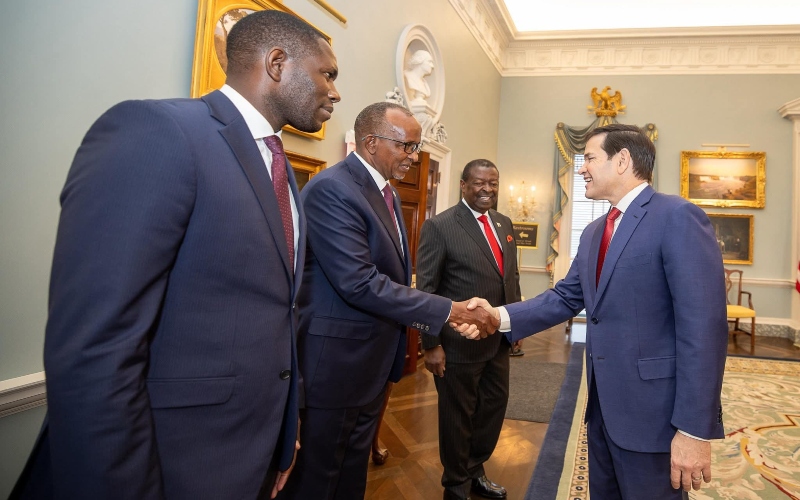
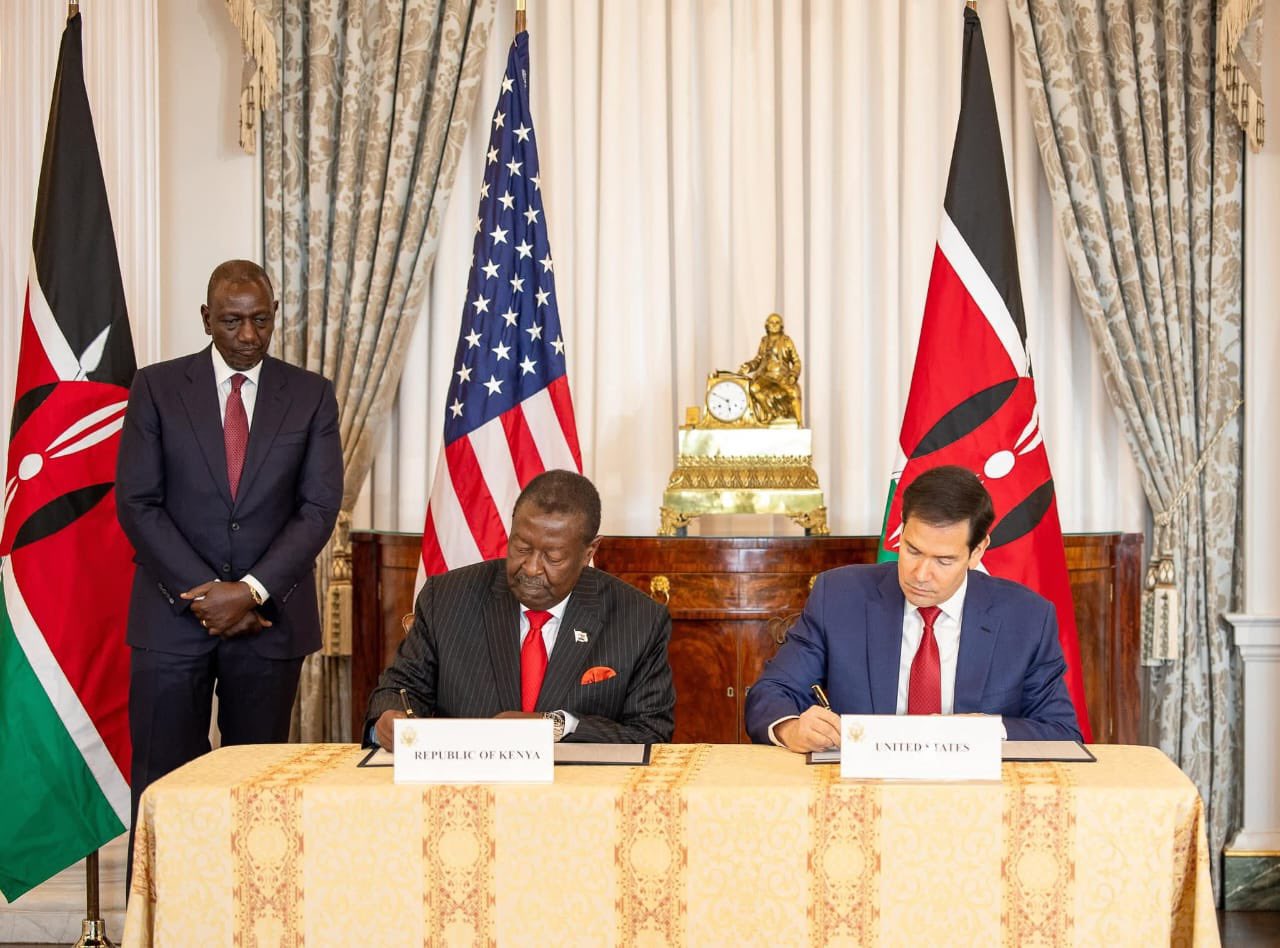
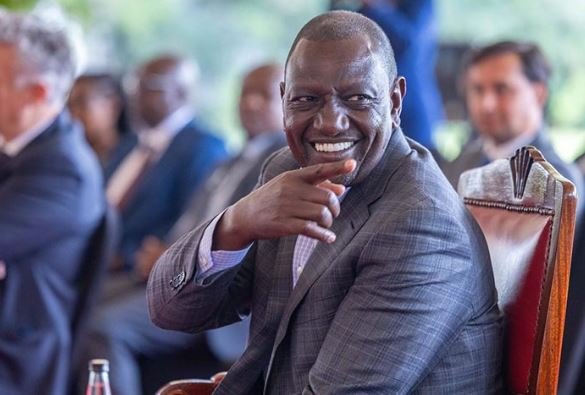
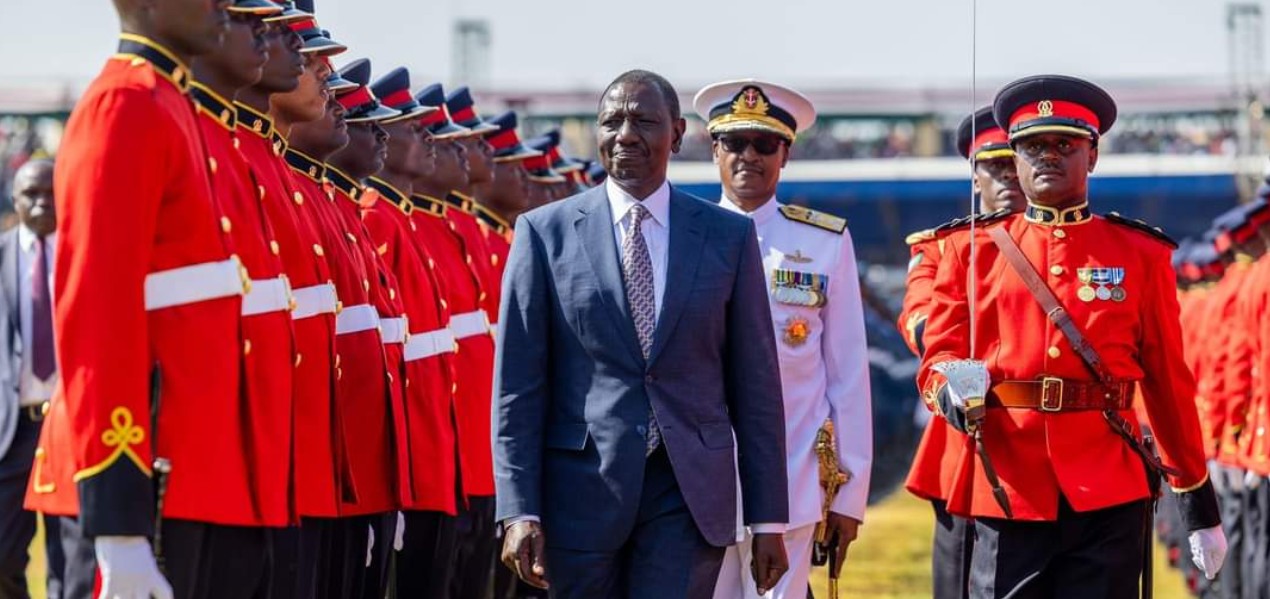
President William Ruto, who witnessed the signing between Presidents Paul Kagame and Félix Tshisekedi at the United States Institute of Peace, called the agreement a turning point for the region.
“This conflict has destroyed livelihoods and threatened the future of the entire Great Lakes region,” he said. “Peace will open doors, integration will guide us, and private-sector dynamism will propel us forward.”
Other Topics To Read
- Headlines
- Regional
- Rwanda
- Democratic Republic of Congo
- DRC Rwanda REIF
- Great Lakes region peace
- critical mineral supply chains
- US backed mineral deal
- regional economic integration
- artisanal mining reforms
- cross border infrastructure
- DRC
- Rwanda to hold first summit under new Regional Economic Integration Framework
Ruto further noted that the REIF will support the creation of regional value chains in minerals, manufacturing, and agro-processing, key sectors for generating jobs and transforming the economy.
Designed with strong local participation, the framework emphasises engagement with communities, provincial authorities, civil society, and entrepreneurs.
Annual summits, technical teams, and provincial forums will ensure transparent and accountable implementation.
With technical expertise, investment, and capacity-building support from the United States and other partners, the DRC-Rwanda framework could usher in an era of shared prosperity and strengthen one of the region’s most significant peace initiatives in over three decades.
Top Stories Today